

eVTOL Insurance Guide
Get an eVTOL Insurance Quote Today
Every year Travers helps thousands of pilots and aircraft owners obtain the coverage they need. We are ready to help you today.
Uploaded 6/22/26 by Chris Travers
What Is eVTOL Insurance?
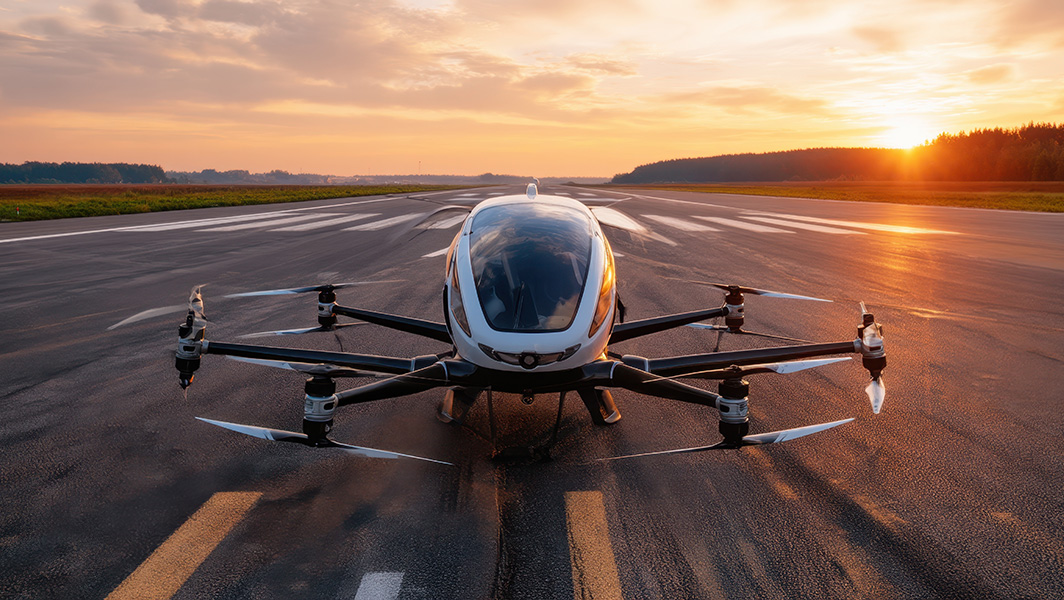
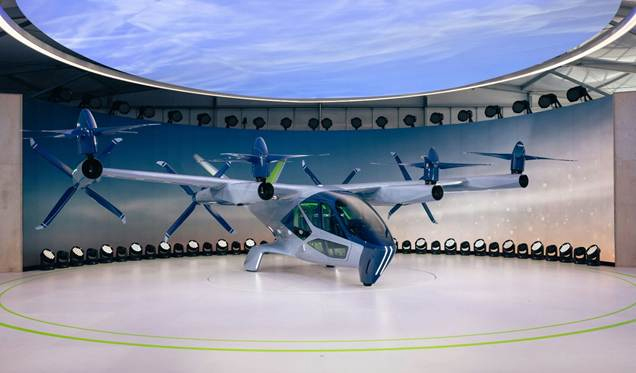
eVTOL insurance refers to coverage for electric vertical takeoff and landing aircraft, such as air taxis and other advanced air mobility vehicles. Since these aircraft operate differently from traditional airplanes and helicopters, they come with risks that often require more specialized insurance coverage.
This type of insurance may be important for:
- eVTOL operators
- Air taxi companies
- Vertiport & AAM infrastructure providers
- Aerospace production companies
- Private air mobility owners
- Autonomous aviation developers
Why is eVTOL Aircraft Insurance Important?
New aircraft technologies come with new risks and expensive parts. Operators can face claims related to passengers, liability exposures, or property damage risks, even though eVTOLs are built with safety as a top priority. Be sure to have the right insurance to help protect you from serious financial losses.
Research from Morgan Stanley's estimates that the urban aircraft market could reach $1 trillion or more globally by 2040. As the industry grows and more commercial operations take off, insurance will continue to play a key role in the support of electric aircraft.
How Much Does eVTOL Insurance Cost?
Premiums can vary greatly depending on the operation type, risk profile, and the make and model aircraft. Some factors that may influence cost include:
- Value of the eVTOL aircraft
- Pilot or operator experience
- Location of operation
- Claims history
- Passenger carrying exposure
- Battery and propulsion technology
- Autonomous or assisted flight capabilities
Because the eVTOL industry is relatively new, annual cost for experienced pilots may range from around $1,000 to $25,000+. For commercial operators, premium pricing depends on the commercial operator experience and exposure. As more aircraft enter the commercial service and insurers gain data, the pricing models will become more standardized.
What is Included in eVTOL Insurance Coverage?
Some common coverages for electric vertical take-off and landing aircraft may include:
- Hull Coverage - eVTOLs are expensive. Hull insurance for your aircraft can help pay for damage to your insured aircraft or for the total loss of the aircraft. This can include damage from ground accidents, weather events, or other unexpected covered incidents.
- Third Party Liability Coverage - Many aircraft insurance policies include third party liability. This coverage can provide protection if your operation causes injury to someone else or damage to their property.
- Passenger Liability Coverage - Passenger liability can cover passengers if they are injured during flight operations or during boarding and exiting of an aircraft.
- Hangarkeepers Liability Coverage - Hangarkeepers liability can help cover damages to non-owned eVTOL aircraft while under your care, custody, or control.
- Premises Liability Coverage - Incidents or accidents that happen on your premises may be protected by premises liability.
Growth in Advanced Air Mobility is Increasing Demand for Insurance
Regulators, researchers, and investors are interested in the future outlook for advanced air mobility. NASA’s Advanced Air Mobility program is actively researching how electric air taxis and related technologies can be safely integrated into the airspace system. The FAA has also included Advanced Air Mobility in its future aerospace plans, demonstrating growing attention and recognition in the industry. As more electric aircraft enter service, demand for specialized insurance is expected to grow with them.
How Can I Buy eVTOL Insurance
Finding the right coverage for your advanced air mobility operation can be tough because of the unique risks and constantly changing technology. Travers Aviation Insurance can help you navigate the insurance market and can connect you with preferred rates and quick quotes. We place 10,000+ aircraft insurance policies annually with the top-rated aviation insurance companies quickly and professionally. Our team can help guide you through the insurance process for flying electric aircraft, technology development, fleet management, operating an urban air mobility aircraft, and more.
Frequently Asked Questions About eVTOL Insurance
Insurance requirements vary highly on contractual agreements, regulator obligations, and financing agreements. Most of the time operators and manufacturers require coverage before performing commercial business.
Insurance coverage for battery damage depends on your policy and conditions of the loss. Talk to a Travers Aviation Insurance agent to understand the coverage for your aircraft.
Because electric aircraft operate in high-risk environments, liability limits can range from $1 million to $10 million+. All operations are different so make sure you understand what is necessary for your work.
Since eVTOLs are relatively new, they don’t have historical flight data or actuarial tables like traditional aircraft. This makes it more difficult for underwriters to analyze loss history and determine premium pricing.
The content on this webpage is for general informational purposes only and is not legal, financial, or insurance advice. Insurance coverage, costs, and requirements vary by location, insurer, and individual circumstances. We make no guarantees about the accuracy or completeness of the information. Using this content does not create a client relationship, and we are not responsible for any actions you take based on it.
Always consult a licensed insurance professional, broker, or attorney before making decisions regarding insurance policies. Coverage is subject to terms, conditions, exclusions, and applicable laws, and this site is not responsible for errors, omissions, or reliance on the information provided. In the event of any inconsistency between website content and the policy, the policy language shall control unless the parties agree to an amendment.


