
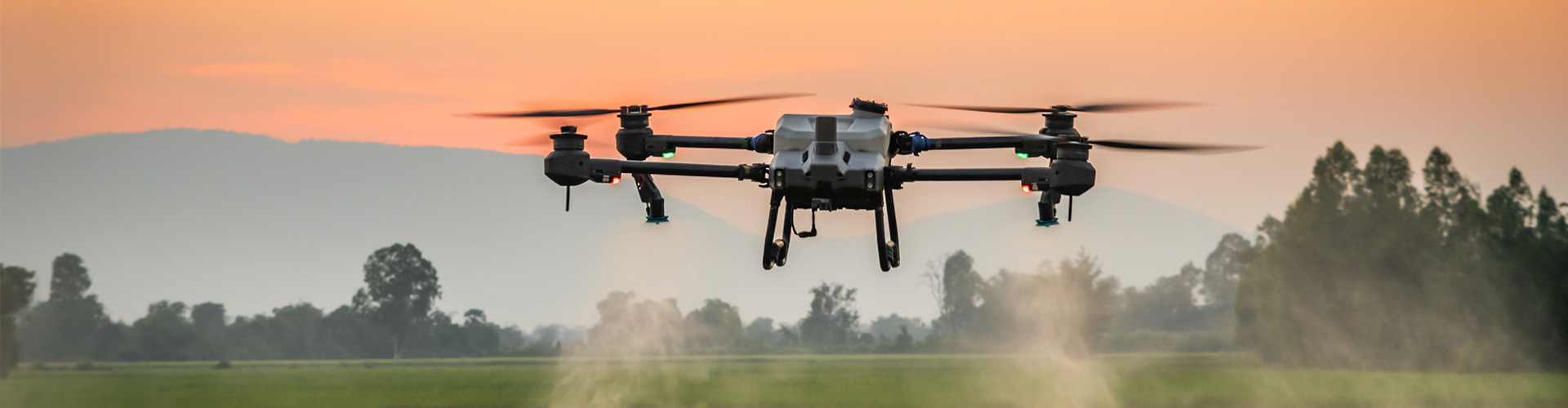
What is Agricultural Drone Insurance?
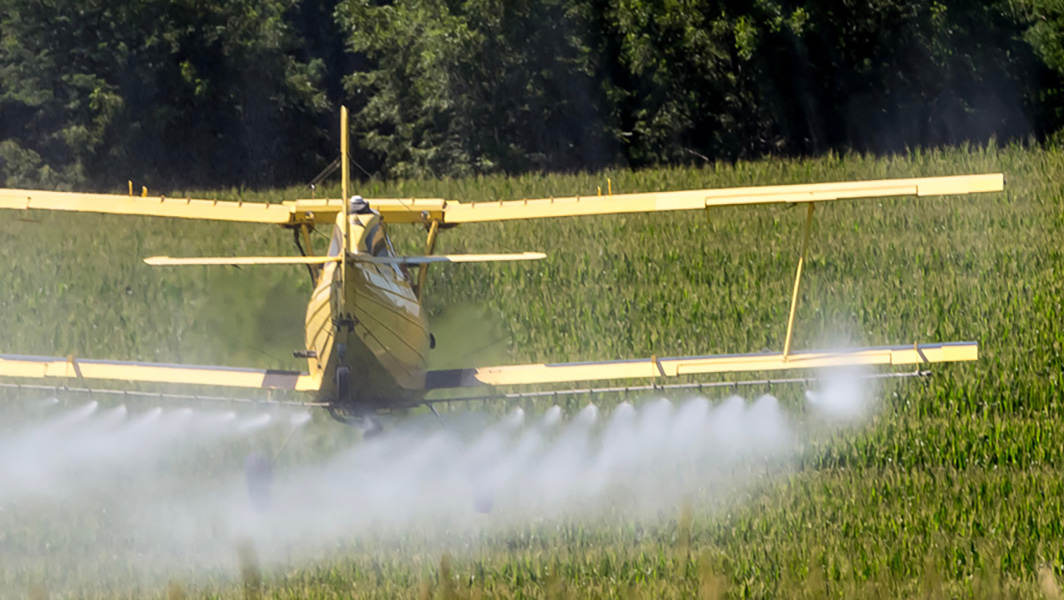
Get an Agricultural Aircraft Insurance Quote Today
Every year Travers helps thousands of pilots and aircraft owners obtain the coverage they need. We are ready to help you today.
Uploaded 5/6/26 by Chris Travers
Agricultural drone insurance is a type of insurance coverage built for drone operators that use unmanned aerial vehicles (UAVs) for farming and agricultural purposes. UAVs, or commonly known as drones, can be insured for physical drone damage, third-party injuries, property damage, and other risks that come with commercial drone operation. If you use drones for crop spraying, seeding, livestock monitoring, mapping, general scouting, or other agricultural related activities, it is important to get the right coverage that fits your mission.
Why Do I Need Insurance for Agricultural Drones?
Operating drones in agriculture has a different set of unique risks. Equipment failure can sneak up on any experienced pilot, along with weather incidents and unforeseen accidents. Insuring agricultural UAVs provide you with:
- Peace of mind - Focus on your mission and operations without worrying about costly scenarios
- Liability coverage - Damage involving people, vehicles, or property can turn expensive
- Investment protection - Expensive agricultural drones are valuable and can be damaged
- Regulatory compliance - Contracts and clients may require a proof of insurance
Your business may be significantly impacted by one single accident. Proper coverage is important.
What Does AG Drone Insurance Cover?
Unmanned aircraft insurance policies can include a combination of the following:
- Hull Coverage - Physical damage to the drone itself can be covered. Crash damage, theft, operator error, and weather incidents are examples that can be protected against if hull coverage is purchased.
- General Liability Coverage - Bodily injury and property damage made by the drone can be covered.
- Payload Coverage - Specialized equipment and add-ons like thermal cameras, LiDAR, tanks, nozzles, spray systems, and other sensors can be protected.
- Ground Equipment Coverage - Can cover non-aircraft components like controllers, batteries, drone cases, and other operational equipment.
- Personal Injury Coverage - Can protect operators against claims of some non-physical damage from drone operations.
- Chemical Liability Coverage - Essential for aerial spraying drones. Unintentional chemical risk and overspraying onto third-parties can be covered.
- Non-Owned Liability Coverage - Can cover businesses or pilots that operate drones they do not personally own, against property damage and bodily injury claims.
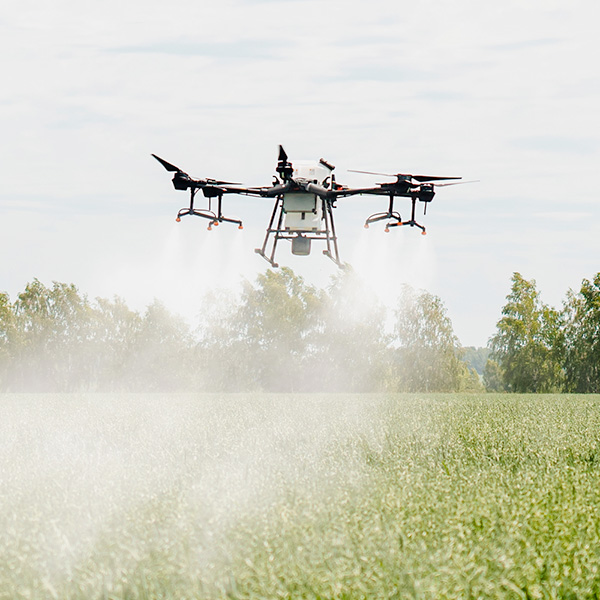
How Much Does Agricultural Drone Insurance Cost?
Various factors are used to determine the insurance costs of commercial drones, such as:
- Drone type and value
- Pilot/operator experience
- How often the drone is used
- The type of agricultural work
- Location and geography
- Number of drones in the operation
Typically, annual premiums average from around 5% to 15% of the insured commercial drone’s hull value. For example, a DJI Agras T40 with a hull value of $40,000 can see ranges of $3,000 to $6,000 a year in premium, depending on the factors mentioned above. A XAG P100 Pro with a value of $25,000 could cost around $2,000 or $4,000 annually.
Most of the time, insuring your drone’s physical damage costs less than insuring your liability exposure just because the risks are so much more. An accident with other people or property could lead to an expensive outcome. Insuring a drone is typically less expensive than it is to pay for a liability claim, since a claim could easily go over $1 million in legal costs.
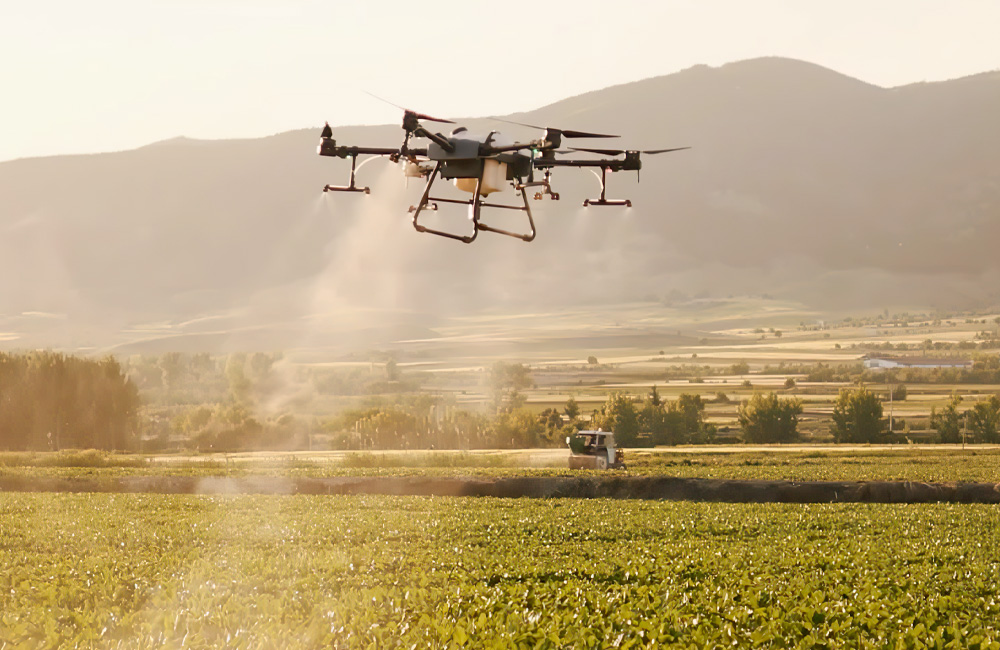
Who Needs Insurance for Agricultural Drones?
It is recommended to have insurance for drones that do any type of agricultural work. It is essential for commercial operators and farmers to use drones for spraying, crop scouting, and mapping. Some examples:
- A farmer using custom applicators to spray fertilizers, pesticides, or herbicides
- A drone service provider working together with agricultural clients
- A drone used for crop monitoring by farmers
- An Agronomist collecting Field data
Tips to Lower Your Insurance Cost for AG Drones
Consider these strategies to save on your premium:
- Secure your required certificates
- Maintain training
- Bundle coverage for your drones
- Perform regular maintenance
- Be safe and follow regulatory guidelines
- Update, document, and maintain your flight operations
Most importantly, work with a specialized broker like Travers Aviation Insurance. We have access to premier markets with AG drone insurance specialists.
Why Work With Travers Aviation Insurance
AG drones are important for modern farming and agriculture but come with unique risks. Travers Aviation Insurance agents have extensive experience in agricultural drone operations and pilot insight. Our strong relationships with the top aviation carriers allow us to secure competitive and preferred rates. We offer quick quotes, practical guidance, and dependable support for Commercial UAV operators.
Frequently Asked Questions – AG Drone Insurance
Answers to some common questions that operators or pilots might have.
Typically drone operators can carry hull coverage, liability insurance, and payload protection for agricultural operations.
Most of the time, no. Standard farm policies often exclude aircraft and aerial applications. That is why it is best to work with Travers Aviation Insurance to receive the right coverage for your drone(s).
No, however you can purchase a specific policy that can include chemical spraying coverage or aerial application.
Hull coverage can cover incidents where the drone is lost.
Often times operators carry $1 million in liability coverage. Higher limits like $5 million may be necessary depending on the type of work.
Yes. We offer fleet insurance for AG drone operators.
If you’re using a drone for any kind of commercial work, insurance is recommended. UAV insurance can be priced reasonably considering losses can be catastrophic.
The content on this webpage is for general informational purposes only and is not legal, financial, or insurance advice. Insurance coverage, costs, and requirements vary by location, insurer, and individual circumstances. We make no guarantees about the accuracy or completeness of the information. Using this content does not create a client relationship, and we are not responsible for any actions you take based on it.
Always consult a licensed insurance professional, broker, or attorney before making decisions regarding insurance policies. Coverage is subject to terms, conditions, exclusions, and applicable laws, and this site is not responsible for errors, omissions, or reliance on the information provided. In the event of any inconsistency between website content and the policy, the policy language shall control unless the parties agree to an amendment.


